Services — Rigging Inspections & Maintenance
What is theatrical rigging, and why does it need inspection?
Theatrical rigging refers to the permanent mechanical systems used to lift, lower, and secure scenery, lighting, curtains, and equipment over a stage and audience. This can also include stage lifts and revolving stages. These systems are made up of moving parts, load-bearing components, and control points that experience wear over time and are affected by use, environment, and staffing changes.
Regular inspection is critical because rigging systems do not fail all at once. Issues develop gradually—misalignment, general wear, improper loading, missing documentation, or unsafe operating practices—often are overlooked until a problem occurs. Inspections identify these issues early, reduce risk, and help venues plan maintenance instead of reacting to sudden failures.
What happens during an inspection?
A theatrical rigging inspection is a systematic visual and physical review of the installed rigging system, focused on current condition, daily operating practices and type of production facility. UTS begins by reviewing available documentation and discussing how the system is actually used day to day. We then examine structural and mechanical components, observe operation, and assess wear, alignment, loading practices, and safety controls in accordance with applicable OSHA regulations and relevant ANSI guidance. Findings are documented clearly, with practical recommendations prioritized so venues can address immediate concerns, plan future maintenance, and establish a realistic inspection schedule going forward.
Services we provide
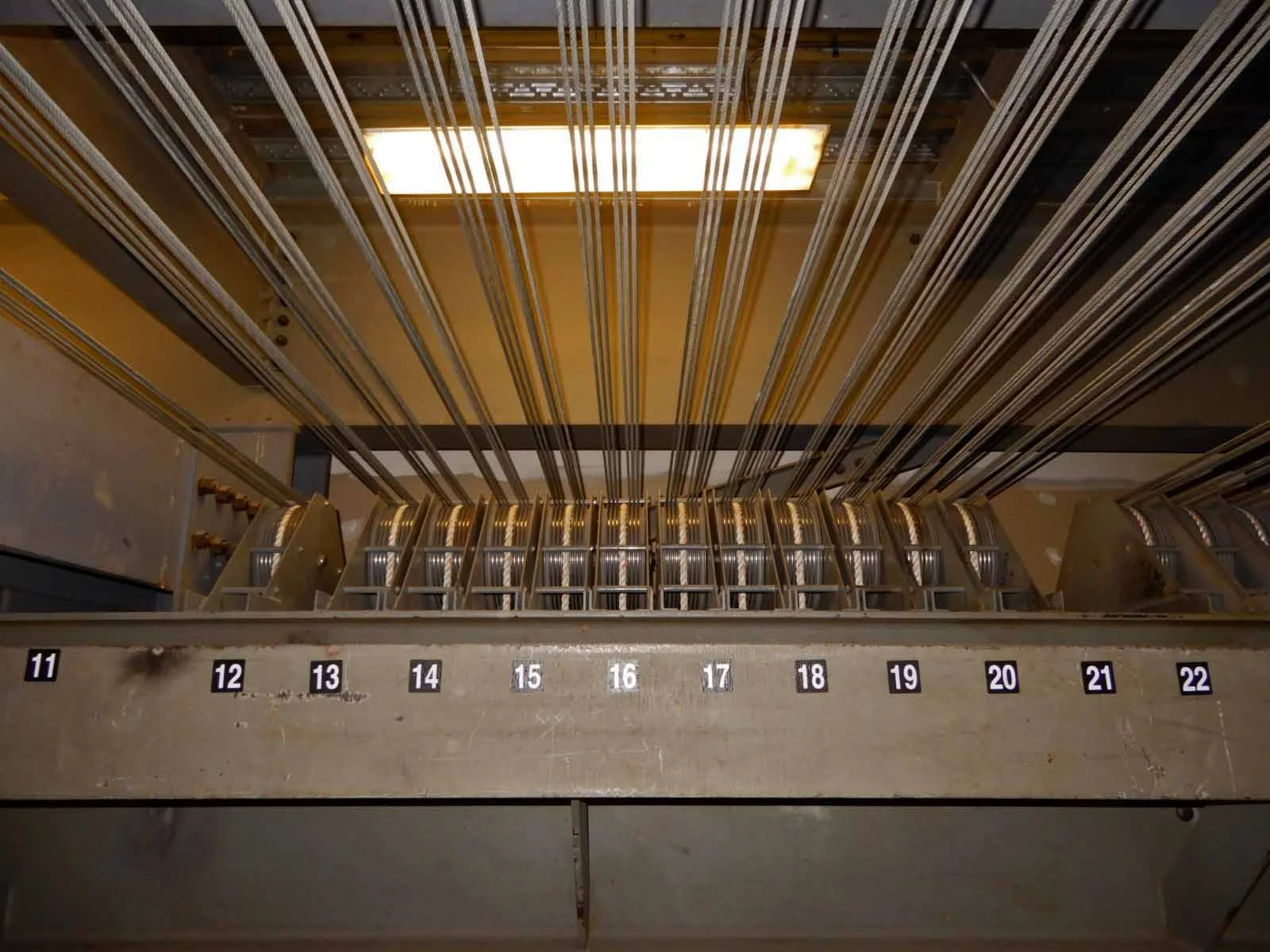
Rigging inspections for counterweight linesets, motorized battens, and specialty drum hoist machines
Troubleshooting and diagnostics for motorized systems that are operating inconsistently or that have faults preventing normal operation
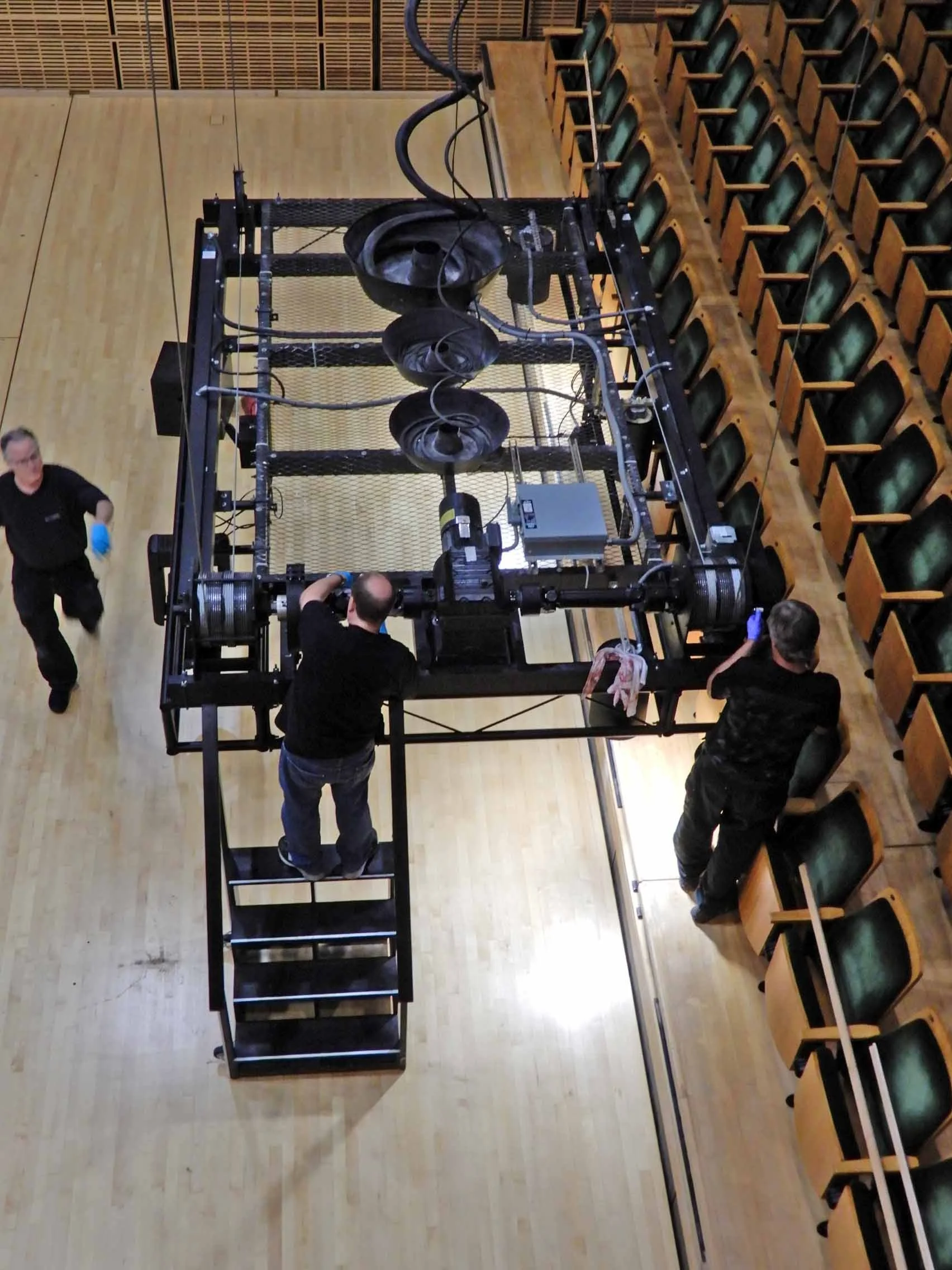
Testing and preventive maintenance or repair of stage machinery, rigging equipment and control systems
Inspection, maintenance, and repair of acoustic banner systems, including stack and roll-drop hoists
Emergency support when system problems are impacting active production schedules
Project management for capital improvement projects including planned overhauls of dated machinery and control systems
Site supervision and labor coordination for stage rigging-related work for general contractors and building owners
Training for venue staff and operators, particularly following staff turnover or role changes
Documentation review and system familiarization to re-establish institutional knowledge
Services most commonly requested
Post-warranty inspections of existing systems
Ongoing maintenance plans for venues without in-house support staff
Troubleshooting issues found by operating personnel
Training new technical staff on legacy systems they’ve inherited
Supporting venues that cannot wait months for OEM service availability
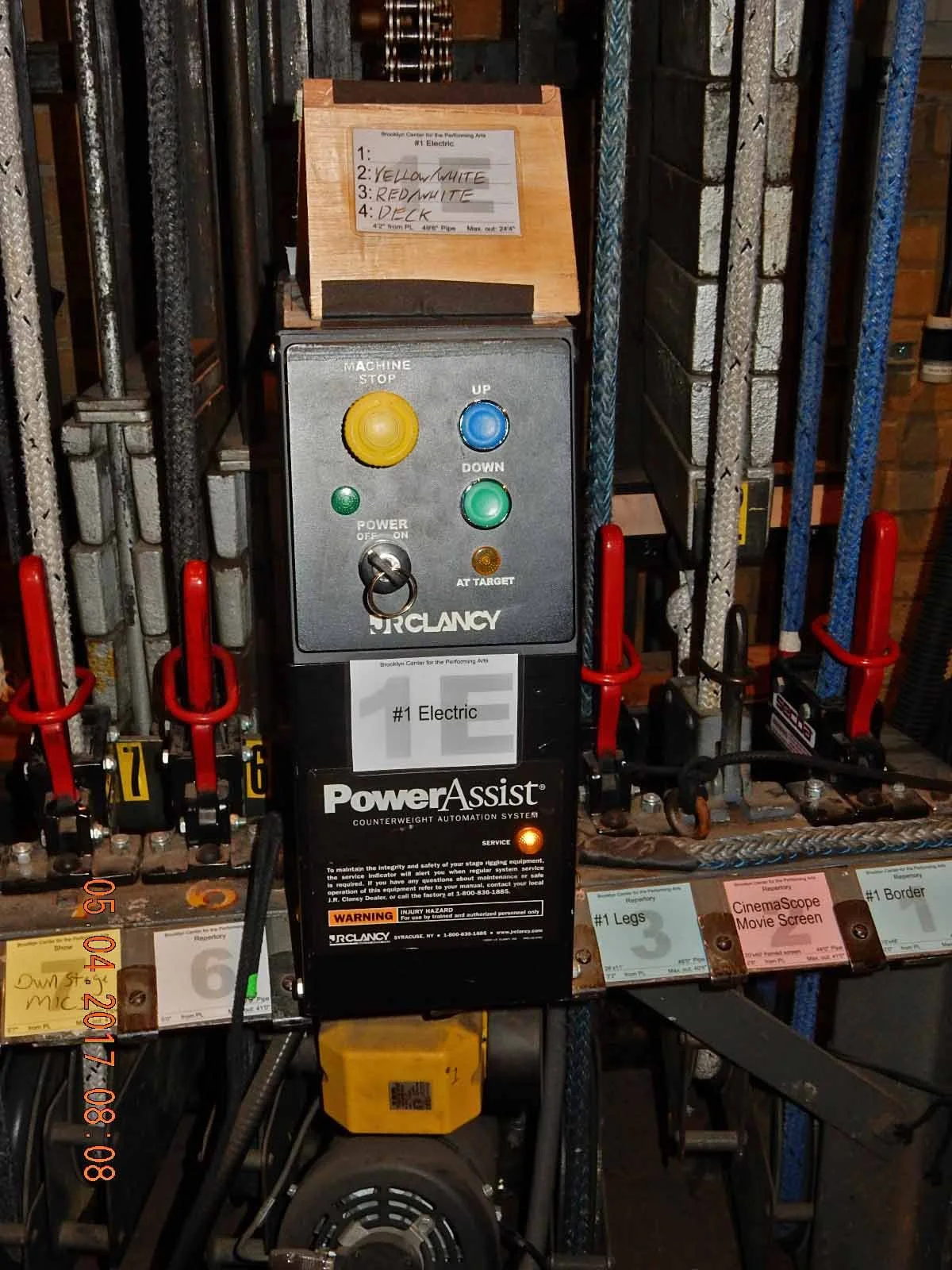
Systems and manufacturers we support
Wenger / JR Clancy
JR Clancy (legacy systems)
Texas Scenic Company
Pook Diemont and Ohl (PDO)
ETC (rigging and rigging control)
Thern
Peter Albrecht Corp. (PAC)
SECOA
American Stage Equipment
Peter Clark, Inc.
Vasconcellos, Inc.
CM Hoists
Stagemaker Hoists
Gala Systems Inc.
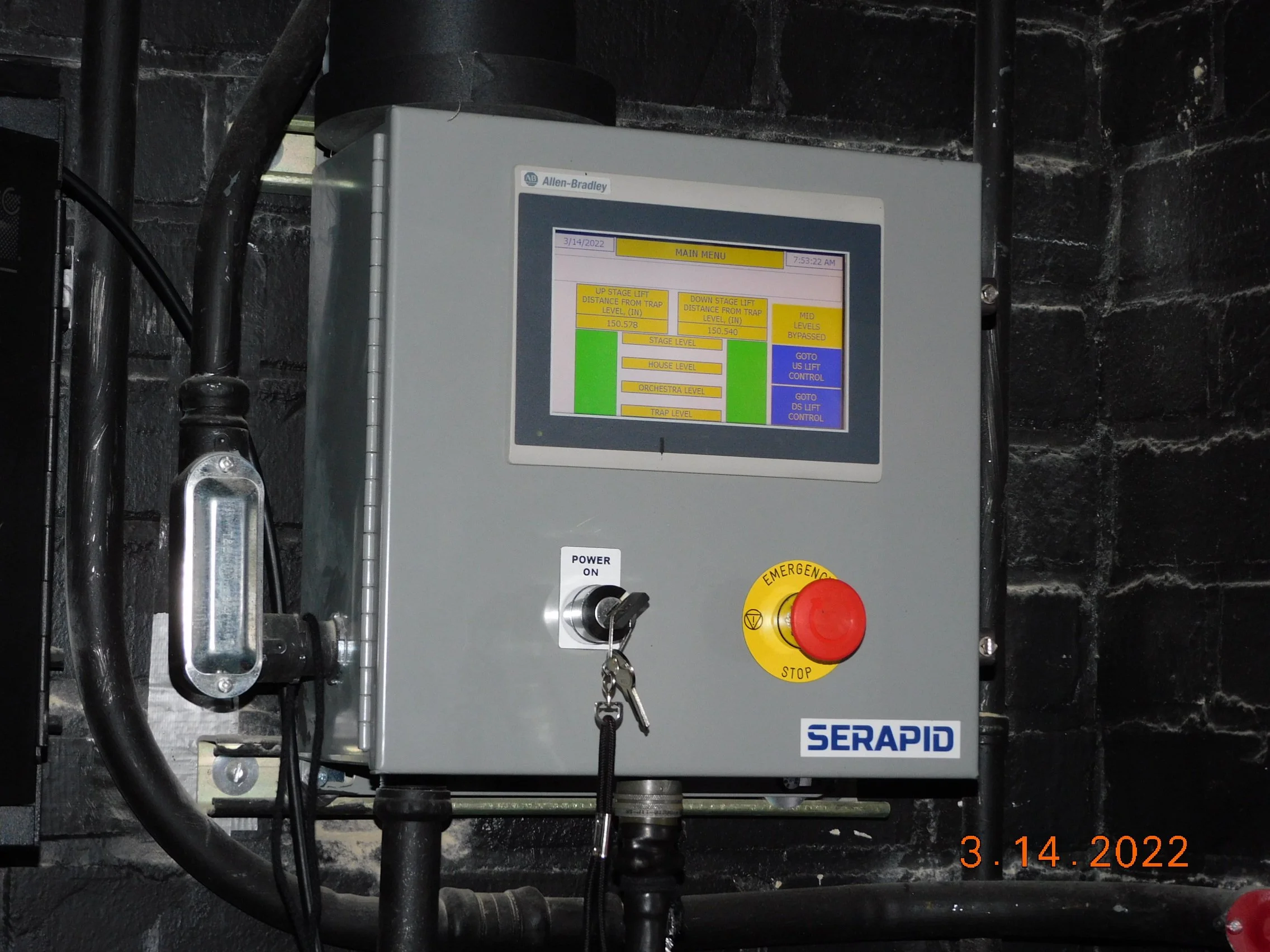
Serapid
acouStacs
acuRolls
Acoustic Banners & Rollers
Symphony Control Systems
Cambia and Accent Control Systems
DeckBoss Control Systems
Legacy-custom designed and fabricated, or unidentified stage equipment
Many venues rely on systems installed years or decades ago by manufacturers that no longer exist or have active support. UTS is experienced in working with legacy, custom, and hard-to-identify equipment and can help clarify system condition, operation, and maintenance needs.